code · · 7 min read
by Colin Domoney
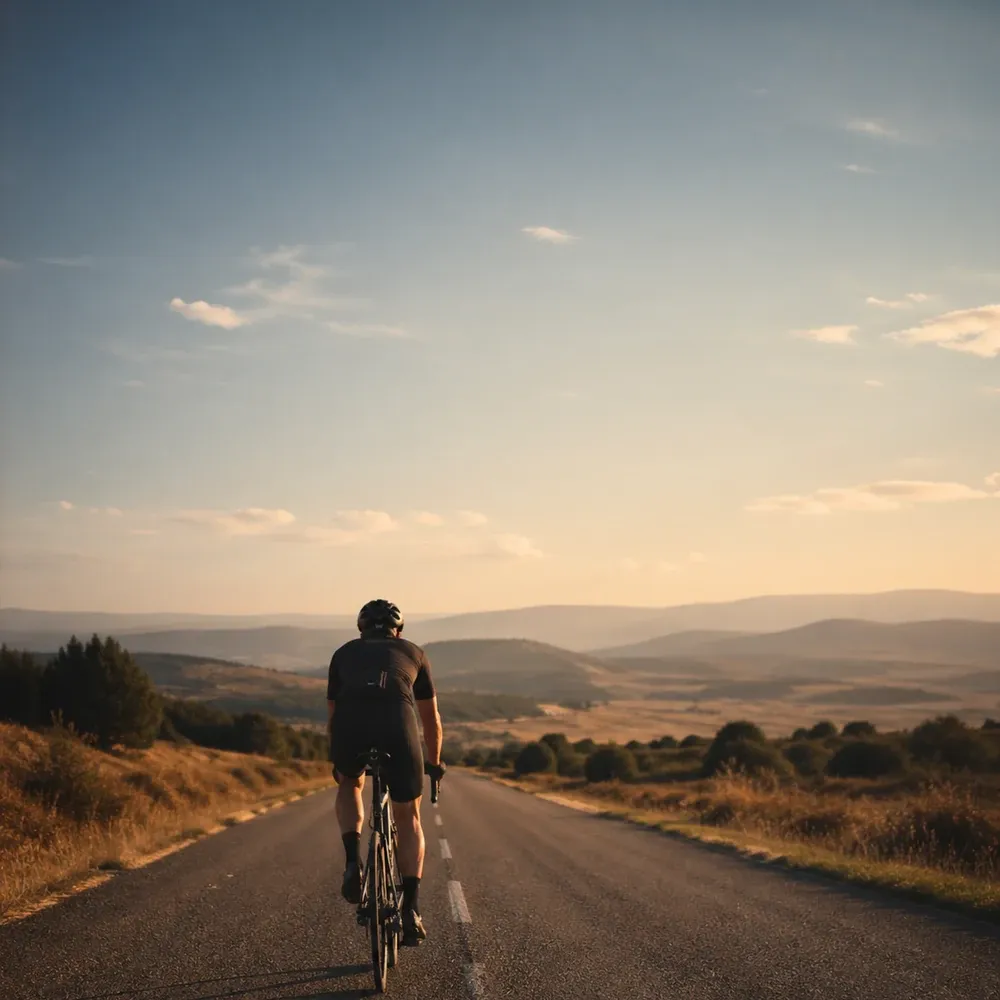
For about two years I’ve wanted to write a book. Not the great novel, something smaller and more useful. The story of going from sedentary and overweight to back on a bike, properly, at an age when most people are quietly accepting decline. Mounjaro played a role. So did stubbornness, and a return to cycling, and the slow rebuilding of a body I’d let drift for a decade. There’s something in there worth saying about the drugs, about the discipline, about what it actually feels like to get a version of yourself back that you’d written off.
I have notes. I have a structure. I have, somewhere in my head, most of the chapters. What I haven’t had is twelve months.
Not because I’m lazy. Because twelve months is what a serious non-fiction project costs (research, structure, drafting, editing, the whole arc), and twelve months is more than I have to spend on a thing that might not work.
I’ve got consulting clients. I’ve got a startup conversation that might go somewhere. I’ve got a partner building an app I co-founded with her. I’ve got a homelab that demands attention. The book competes against all of that, and it loses, every time, because the maths doesn’t work. Twelve months for an uncertain outcome, against three months of paid work plus three months of something else valuable plus six months of optionality? Of course the book loses.
This isn’t procrastination. It’s opportunity cost. And for two years it was the right call.
What’s changed isn’t my discipline or my appetite. What’s changed is the maths.
That same book, today, is roughly a three-month project. The writing is the same. That’s still mine, still slow, still hard. But the surrounding work (the research, the fact-checking, the chasing of context, the organising of material, the citation-hunting) used to dwarf the writing itself. A chapter on the pharmacology of GLP-1 agonists needs the science right; getting it right used to mean weeks of reading papers I’m not qualified to fully evaluate. Now it means an afternoon with a research agent and an evening with the sources it surfaces. The dull, necessary scaffolding around the actual writing has collapsed.
And once that scaffolding collapses, the project becomes economically viable. Three months I can find. Three months loses to a paid engagement, but it competes. Three months I can take on a whim. Three months means I can fail fast: discover after a month that the book doesn’t work, that I’m not ready, that the structure is wrong, and walk away having lost a manageable amount. Twelve months, I couldn’t risk. Three months, I can.
This is the thing nobody is articulating clearly about what AI is doing to creative and intellectual work. The discourse is binary and stupid. One camp says AI will write your book, do your job, replace you. The other says AI changes nothing, the real work is still the real work, and anyone who uses it is cheating themselves. Both are missing what’s actually happening, which is more boring and more important than either.
The actual change is in the ratio. The proportion of any project that consists of dull, necessary, replicable work, versus the proportion that requires real thought, taste, judgement, voice, has shifted dramatically toward the latter. This doesn’t mean the dull work is worthless. It means the cost of doing it has fallen through the floor. And when the cost of necessary-but-dull work falls, the projects that were previously uneconomic become economic.
What that unlocks isn’t laziness. It’s experimentation.
I’ve started building things on whims that I wouldn’t have started six months ago. Not because they’re more important now, but because the cost of finding out whether they’re any good has collapsed.
I had an idea last month for a small Rust tool to clean up secrets in clipboard contents. Six months ago, building that would have meant a weekend of yak-shaving: getting the toolchain installed, learning enough Rust idiom to not embarrass myself, building, testing, iterating. I’d never have started. The opportunity cost was wrong. Now I had a working version in an afternoon, because an agent did most of the toolchain wrestling and I did the actual design decisions. If it had turned out to be a bad idea, I’d have lost an afternoon. The ratio of risk-to-reward was finally favourable.
This is the real shift. Radically quick experiments at radically low cost. You can find out whether a project has legs in days instead of months. You can build the prototype before you’d previously have finished the research phase. You can fail fast, and meaningfully, on ideas you’d previously have either dismissed or sunk a year into.
The economic implication of this is enormous, and I don’t think anyone has properly thought it through yet. A whole class of creative and intellectual work (small books, small tools, small businesses, small experiments) was previously locked behind opportunity cost. Not capability, not skill, not desire. Opportunity cost. The maths just didn’t work for most of these things, for most people, most of the time. You’d think about it, you’d want to do it, and then you’d look at the calendar and the bills and you’d put it back in the drawer.
A lot of those projects are now possible. Not all of them. Plenty will still fail, because most things do, and the writing is still hard, and taste is still scarce, and the world doesn’t owe anyone an audience. But the threshold for trying has dropped. The number of experiments any given person can run in a year has gone from one or two to ten or fifteen. Some of those will work. Some of those wouldn’t have happened at all.
The cycling book is one of mine. Not because it suddenly became more important, but because three months is a bet I can make and twelve months wasn’t. The book has been waiting. I’ve been waiting. We’ve both been waiting for the maths to flip.
Now it has.
That doesn’t mean I’ll definitely write it. It might still fail. I might start the first chapter and discover the story doesn’t hold together the way I think it does. Three months from now I might know it didn’t work. That’s fine. That’s the whole point. The cost of finding out is finally low enough to find out.
The bar of the possible has been raised. Not because we got better, but because the cost of trying went down. That’s the thing worth noticing. That’s the thing worth being grateful for.
Now I just have to start. #completerfinisher